


How Jurisdiction Can Determine Which Laws Apply to a Dispute
Jurisdiction plays an important role in determining which court has authority to hear a dispute and which legal rules may apply to the issues involved. When a disagreement spans multiple cities, states, provinces, or countries, identifying the appropriate jurisdiction can become more complicated. The location of the parties, where an agreement was made, where an event occurred, and the terms of a contract may all influence the legal framework considered. Understanding jurisdiction helps explain why similar disputes can produce different legal outcomes depending on where they are handled.
How Courts Establish Authority Over a Dispute
A court generally needs a legal basis to exercise authority over the parties or the subject matter of a dispute. This may depend on where a person lives, where a company operates, where an agreement was performed, or where an event connected to the dispute occurred. Different legal systems establish their own rules for determining this authority. When jurisdiction is unclear, the parties may first need to address whether a particular court has the power to hear the case before the underlying dispute can proceed.
Why Location Can Affect Applicable Laws

The place where an event occurs can influence which laws govern the resulting dispute. For example, a transaction involving businesses in different regions may have connections to several legal systems. Courts may examine the relevant locations and circumstances to determine which jurisdiction has the strongest legal connection to the matter. This means that geographical boundaries can have practical consequences because laws governing contracts, property, employment, or other disputes can vary between jurisdictions.
The Role of Contracts in Jurisdictional Questions
Contracts often contain provisions that address where disputes should be resolved and which jurisdiction’s laws should govern the agreement. These clauses can provide greater certainty by establishing the parties’ expectations before a disagreement occurs. However, the effectiveness and enforceability of such provisions depend on the applicable legal rules and the circumstances of the dispute. Courts may therefore examine the wording of an agreement alongside broader jurisdictional principles when determining how to handle a contractual dispute.
How Cross-Border Disputes Become More Complex

Disputes involving multiple countries can raise additional jurisdictional questions because separate legal systems may claim jurisdiction over the same matter. Differences in procedural rules, contract laws, enforcement mechanisms, and court authority can make these disputes particularly complicated. Courts may need to consider whether another country is a more appropriate forum or whether a judgment issued elsewhere can be recognized and enforced. These questions can influence both where litigation occurs and which laws are ultimately applied.
Why Jurisdiction Matters Before a Case Is Decided
Jurisdiction can affect a dispute before the court considers the central facts or determines whether one party is legally responsible. If a case is brought in a court without proper jurisdiction, the proceedings may face significant procedural challenges. Determining the appropriate forum can therefore shape the entire legal process, including applicable rules, available remedies, and enforcement considerations. The jurisdictional question is consequently an important preliminary issue in disputes involving multiple locations or legal systems.
Jurisdiction determines which laws apply to a dispute because courts must establish their authority and consider the legal connections among the parties, events, agreements, and relevant locations. Contractual provisions, geographical factors, and cross-border relationships can all influence these decisions. Since laws and court procedures differ between jurisdictions, identifying the appropriate legal forum can have significant consequences for how a dispute progresses. Understanding jurisdiction therefore provides an important foundation for recognizing why the same type of disagreement may be governed differently depending on where it is brought.
…









 The first step when finding a reputable law firm is to check the firm’s reputation. You can do this by asking around or checking online reviews and ratings. Additionally, look for lawyers with good standing in the community and a strong track record of successful cases. Ensure that the firm is properly accredited and licensed with the appropriate local and state regulatory bodies.
 When finding a reputable firm, reviewing their resources, such as office space and technology, is important. A lawyer should have access to the latest computer systems, legal databases and software that can simplify the legal process. Furthermore, ensure that the firm has a team of experienced and knowledgeable lawyers who will work together to provide you with the best advice and representation.
 Finally, when choosing a law firm, seek out reviews from past clients. This can give you an indication of the firm’s reliability, reputation and overall client satisfaction. Speak to past clients or read online reviews to get a better understanding of the firm’s services and capabilities. This will help you make a more informed decision when selecting your law firm.


 Divorce is not easy and leaves those involved with severe emotional wounds that need nursing to heal. Luckily, if you have a divorce lawyer, they can help lessen the pain and distress by dealing with all the case issues as you focus on healing and getting back on your feet. The attorneys understand and offer you a shoulder to cry on, and hold your hand and allow you to concentrate on rebuilding your life as they tackle the case.
 injury attorney. They will argue your case in the best way possible to ensure you get justice. The kind of experience they bear makes it easy for them to analyze your situation and represent you in the best way possible. You should look for an excellent personal injury attorney to secure justice.…
 If you got into a

 Take into Consideration All the Factors That Come into Play


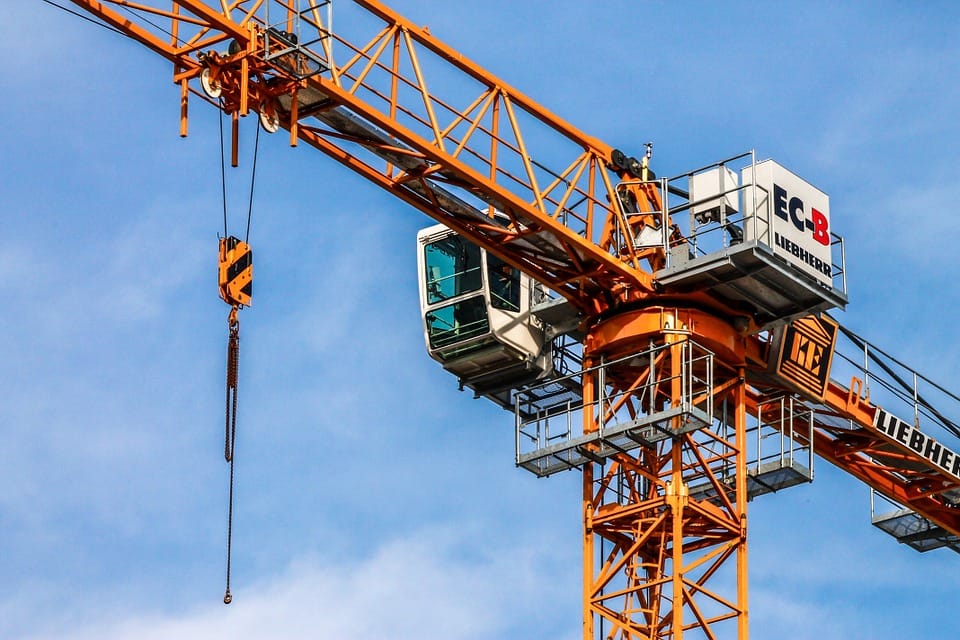

 Though rare, accidents can be devastating. As such, the best thing crane users and other construction site workers should observe essential safety requirements. Both the management and the workers can improve crane safety by having a good safety plan. Other prevention measures include ensuring loads are adequately rigged, routine crane maintenance, and training employees.
 As the saying goes, there is no such thing as a perfect machine. This obviously applies to vehicles. However, this phrase does not mean that the vehicle manufacturers have the liberty to produce defective automobiles.



 The driver can drive the train beyond the allowed signal block without permission. This is known as signal passed at danger. Also, the driver can cause an accident by mishandling the engine. A good example of this accident is boiler explosion. In addition, the driver may be over-speeding the train. This is when the train is being driven at an excessive speed that is beyond what is recommended.
 This is a type of train accident that occurs when two trains collide or what is known as a head-on collision. If the train collides with another one that is at the front of it, this is known as the rear collision. Also, a train can collide with the buffer stop. These are structures meant to stop the train from going past a given track. Also, obstructions on the way such as cars can cause a collision, particularly if there is a bad weather condition causing poor visibility.
 they are the best. You can seek referrals from friends or people who have been represented in the different personal injury cases by these lawyers. There are various types of injury cases that may see you seek compensation. The most common ones include:
 There are a lot of products that have brought harm to consumers some even leading to death. You have the right to sue the company or manufacturer of that particular product. Get a good lawyer who will help you in filing the lawsuit and through the court process.…
 Once you file a lawsuit, you will be taken through a court process which is very fast and will ensure you get justice. It is here where you get to argue out your case and table your evidence to prove your case. It is the best method compared to using crude procedures of conflict resolution. Here is how to file a lawsuit against someone who has violated your rights.
 One must start with the summons which comprises of written notice to the offender. This should be followed by your complaint where you should list down all that is required. Your lawyer can also help you with this. After following the right procedures, then it is time to serve the defendant with a copy.…